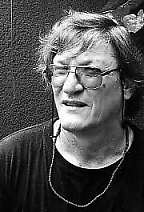
Exhibition and Book 2008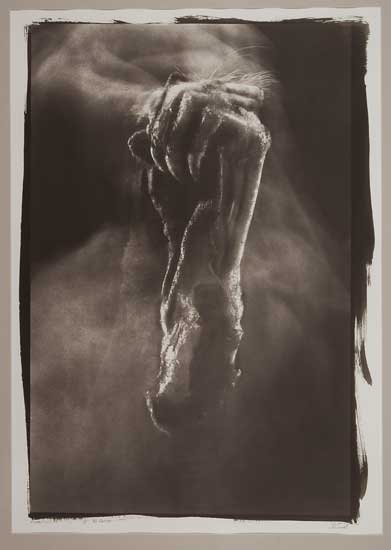 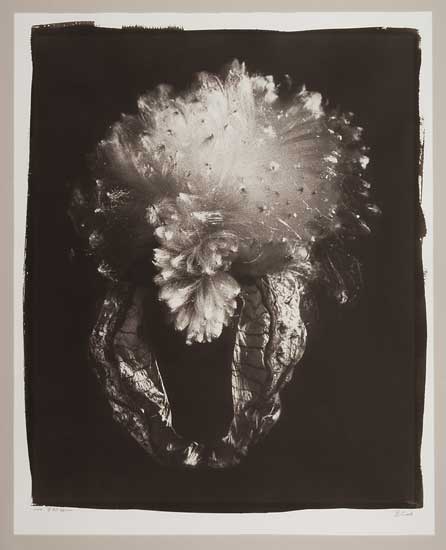 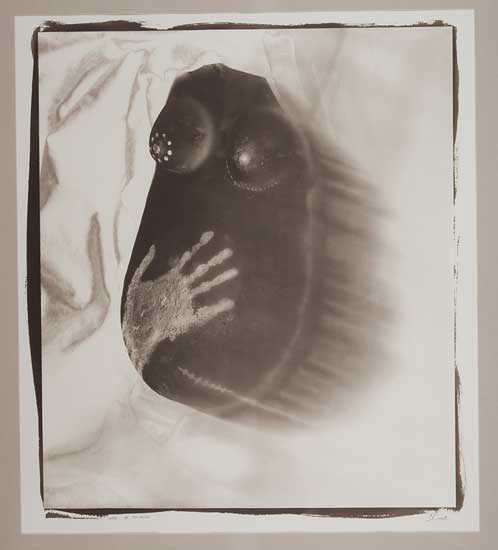 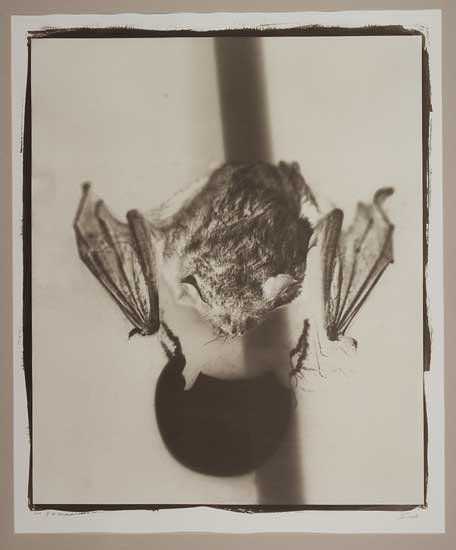  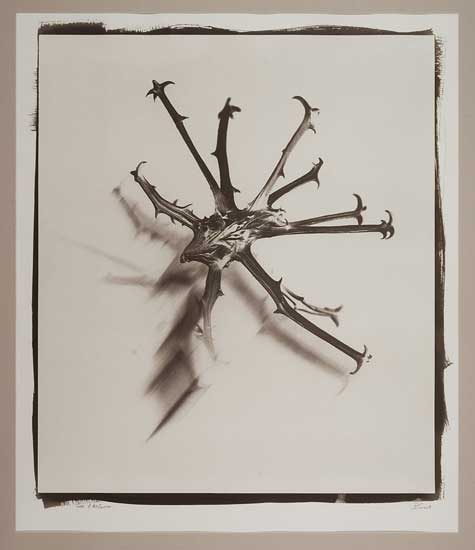 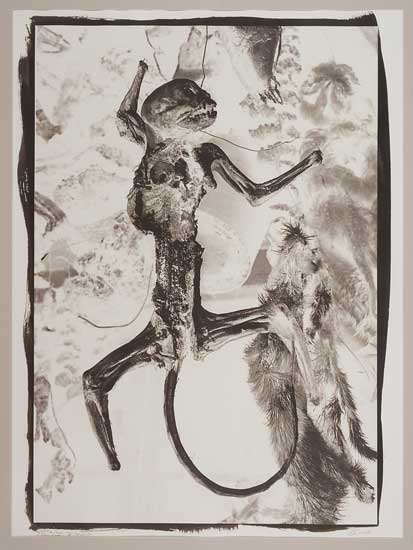 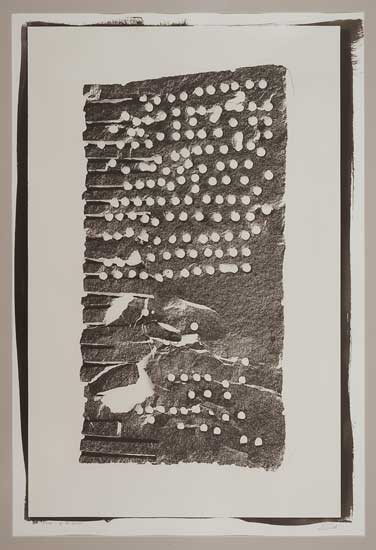 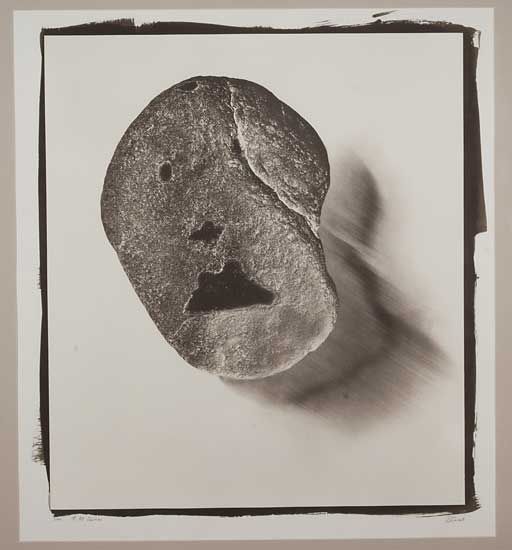 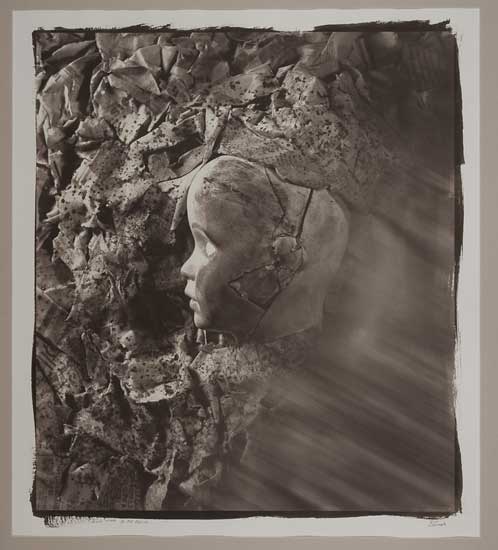 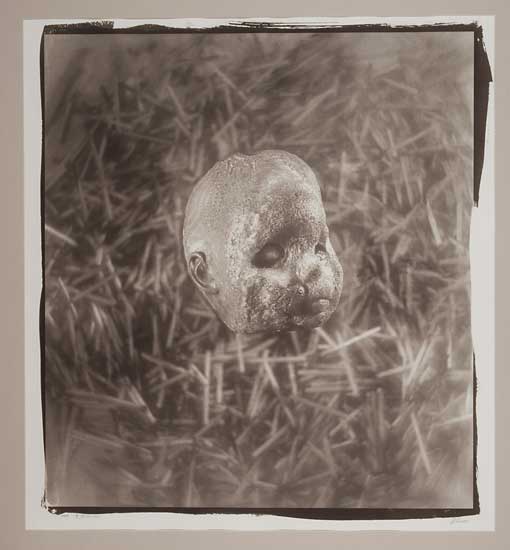 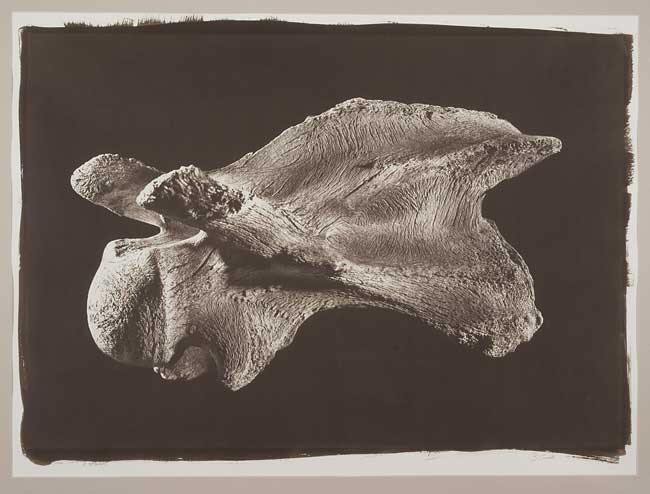 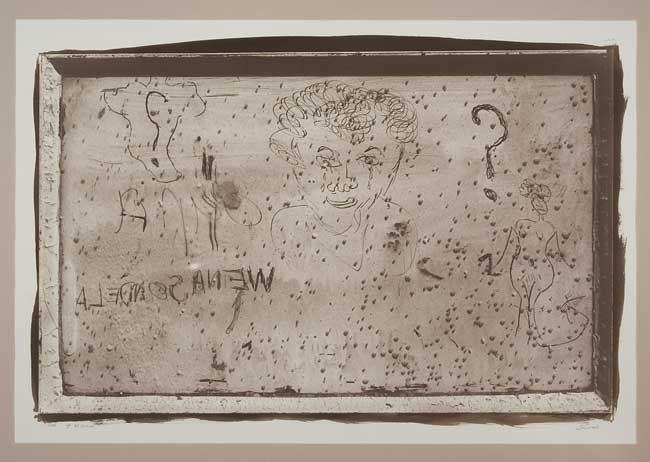 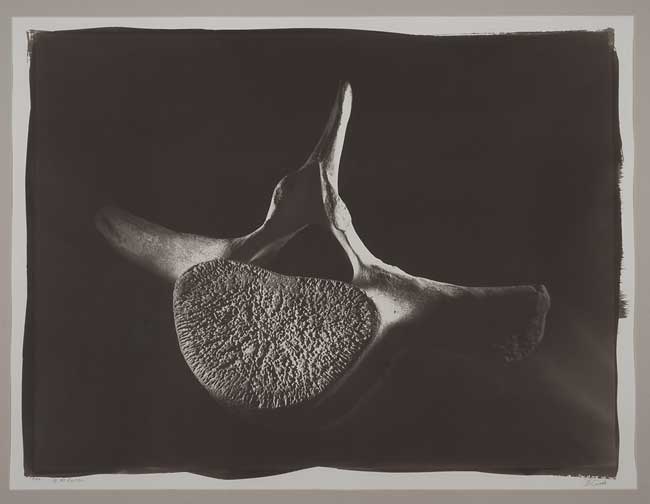 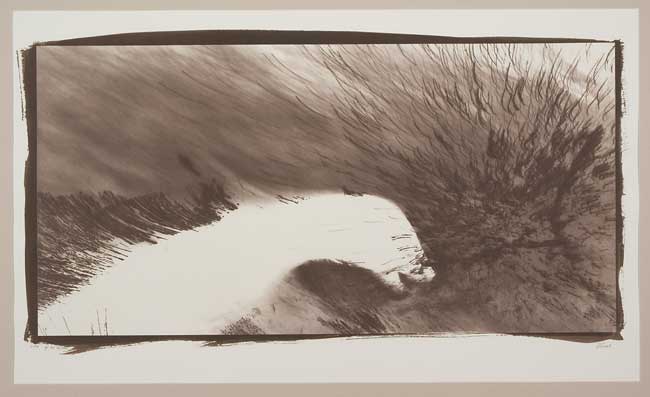 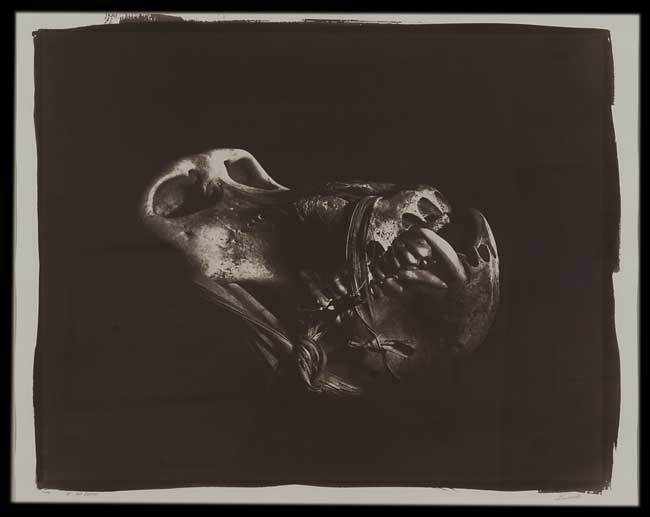 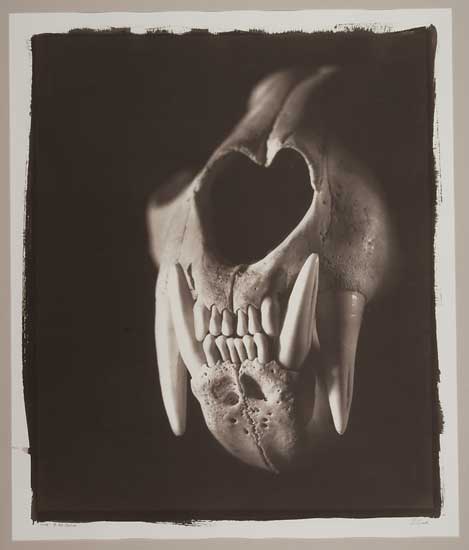 Foreword As a child I lived in a mining town in the far northern Limpopo province and, as a direct result, I was in contact with a cross-section of various traditional rural societies and everything that goes with that: belief systems, tribal religion, customs, myths, legends, music etc. These had an undeniable influence on me and have been a constant source of interest throughout my life. Later on, I was involved with the archaeology of the region and the documentation of various aspects of the cultural life of the local people, past and present. For most of a decade, in the 1980’s and 1990’s, I documented numerous San and iron-age sites had previously not been recorded in any way. In this way I became even more fascinated by the revelations of this research and my deeper involvement in local culture. In particular, I have a strong interest in African divination and those beliefs that make divination a practicality in rural culture. In this regard I have a childhood friend who is now a Sangoma (traditional herbalist and healer). For a while he taught me some of the mysteries of Venda divination and herbal medicine and showed me some things I thought were not possible. He is certainly a contributing factor to my fascination with Southern African rural culture. For instance, it was through this man that I became aware of sacred drum hidden in landscape he described. With a bit of luck I was able to pinpoint the probable location to an area of about ten square kilometres. I put aside a week to walk the area ant the laid out a grid pattern on a large scale map It was after four or five days of walking the grid that found the sacred Domba drum I was looking for inside a hollow Baobab tree. Coming back the next day to photograph the drum more extensively, I found it had been removed during the night. This same man invited me to rainmaking ceremony high up a mountain at night where a number of men quietly sang and danced. It rained hard later that night. On a number of occasions I have been made acutely aware that rural, traditional people are extremely well informed of what is happening in their environment. Also, for the traditional rural people, everything can be explained by consulting the ancestors. For the outsider a large amount of information can only be guessed at; things are invisible and only implied. These are the aspects of rural Africa I value and it is thus no accident that my personal work as an artist-photographer draws heavily on my concerns, interests and experiences in African custom, myth, legend and living reality. My work is my reaction to these concerns and my comments and thoughts about them. My photographs reflect my position of being both an interested outsider and a more or less accepted insider. I love the mysteries, I marvel at the revelations; I get intellectually stimulated by the questions. I anticipate further mysteries, marvels, revelations, questions. I then re-interpret these, in my own way and using own subject material, as photographs; these photographs are for me personally, my personal visual Answer to the Call of my personal questions. They are my revelations. Most, if not all, of the photographs in this exhibition and book possess an intended perceptual darkness. This is not necessarily an evil or negative darkness but rather a more or less deliberate expression of perceived disturbance due to every person’s unexpected and often unwanted experiences, which would leave an assortment of scars (both negative and positive) that are often not easy to live with or to come to terms with. These photographs the scars; the evidence of the earlier wounds. They are the results of coming to terms with these experiences and accepting them for what they can reveal or teach. The photographs become symbols and metaphors of particular concerns. These are DECLAMATORY images: they are NOT meant to be decorative. By the use of technical manipulations such as repeat forms within the photographs, directional movement, selective blurring, negative imaging, pointed lighting, etc., the reading of the photographs is directed, even choreographed, and the other, darker, realities are deliberately brought forward and revealed to the conscious, enquiring mind. In the words of Roland Barthes: Photographic shock lies in revealing what was hidden. September 2008
| |
Website of South African Artists |
 |